
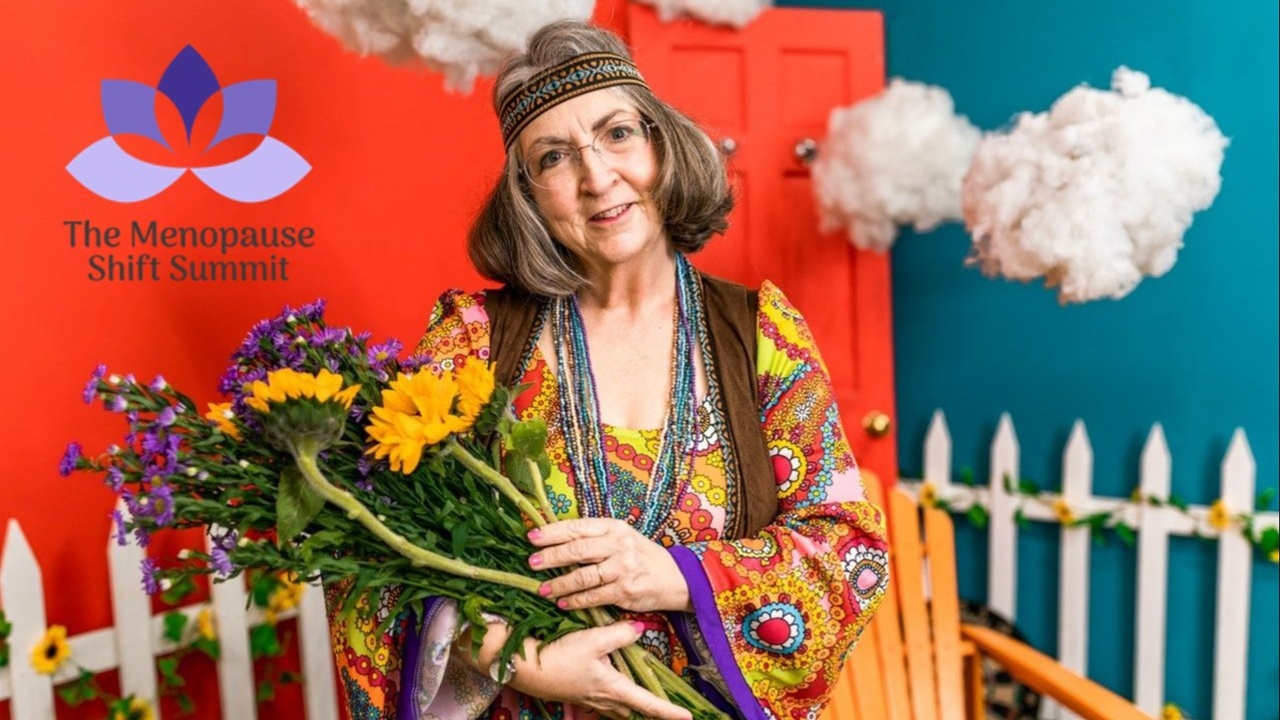
Menopause is too big of a deal to struggle through on your own!
Jun 12, 2022By Kim Vopni, The Vagina Coach — Certified Pelvic Floor Fitness Specialist · Published June 12, 2022
Direct Answer
Menopause is the point when menstrual periods permanently stop, and the transition into it — perimenopause — most often begins between ages 45 and 55 and lasts about seven years, sometimes up to 14. As estrogen and progesterone fluctuate, women can experience hot flashes, night sweats, sleep and mood changes, weight gain, vaginal dryness, and more. You do not have to suffer through it alone — being informed and supported makes a real difference.
Key Takeaways
- The menopausal transition usually begins between ages 45 and 55 and lasts about seven years, though it can be as long as 14.
- During perimenopause, estrogen and progesterone made by the ovaries fluctuate greatly, which drives most symptoms.
- Common symptoms include hot flashes, night sweats, mood and mental-health changes, weight gain, vaginal dryness, sleep problems, thinning hair, and dry skin.
- 64% of women feel completely unprepared for menopause and 73% do nothing to treat their symptoms — so many suffer needlessly.
- Menopause is too big to navigate alone; shifting from under-informed to knowledgeable and supported helps you thrive rather than just survive.
Photo by Pexels
There are hot flashes and memory issues. Your sleep quality declines and your mood… who KNOWS what that’s gonna do….and then there’s your s-e-x life!
Let’s be blunt: Menopause kinda sucks.
If you are over 40 and were born with a uterus. This is essential information.
The menopausal transition most often begins between ages 45 and 55. It usually lasts about seven years but can be as long as 14 years. The duration can depend on lifestyle factors such as smoking, age it begins, and race and ethnicity. During perimenopause, the body's production of estrogen and progesterone, two hormones made by the ovaries, varies greatly.
64% of women are completely unprepared for menopause...and 73% of women do absolutely NOTHING to treat their menopause symptoms.
That means they suffer needlessly through...
- Hot flashes
- Night sweats
- Mental health changes
- Stubborn weight gain
- Mood swings
- Vaginal dryness
- Sleep problems
- Thinning hair
- Dry skin
Menopause is too big of a deal to struggle through on your own!
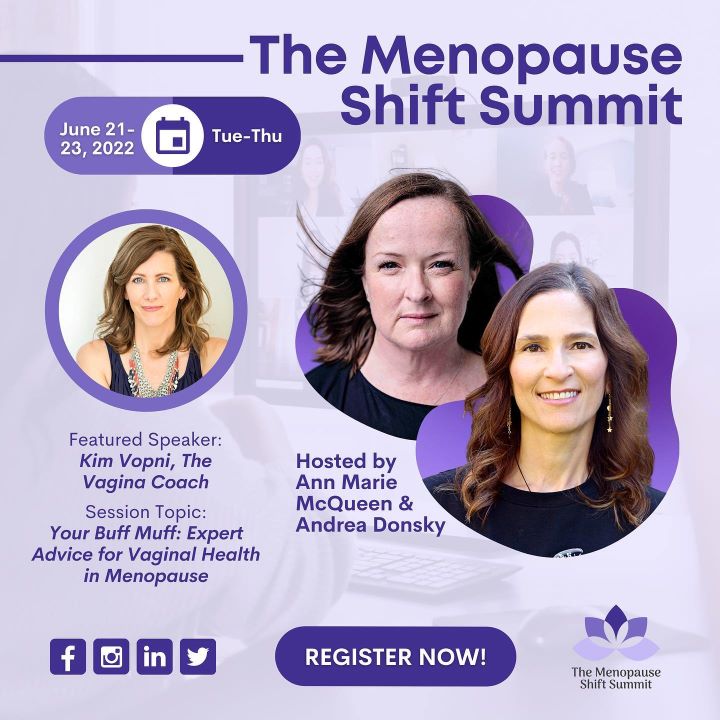
That's why yours truly is sponsoring the Menopause Shift Online Summit from June 21-23, 2022
Discover The Secrets to Feeling Great, Taking Control, and Thriving Through Menopause
Join over 40 experts as they share the best information to help you not just survive menopause but actually thrive! I am not interested in suffering and I feel so fortunate to have been informed but I also wish I had known earlier so my 40s would have been easier.
We don’t have to just simply suffer through it… if we can shift from under-informed and unprepared to knowledgeable and empowered.
That’s what this event is all about.
Three days about your body and what’s in store for you that you never even knew you needed, a free event for people who are experiencing or preparing to experience symptoms of menopause and perimenopause.
Our mission with this event is to change the narrative. To demystify menopause and help you stop suffering and start thriving.
Why you Should attend the Menopause Shift Online Summit
- You’re preparing yourself for perimenopause and want to have all the information you need BEFORE you need it…
- You’re already in menopause, struggling with symptoms and looking for answers on how to live your best life.
- You're post-menopause... but you might still be experiencing symptoms and not even realize it! (Gas, bloating, headaches, itchy ears... ring a bell?)
The Hosts
Andrea Donsky is a Registered Holistic Nutritionist, focused on building a movement to help people over 35 who have menstruated like you master their personal wellness and vitality effortlessly while transitioning into their second act in life with confidence, optimism, and resolve.
Ann Marie McQueen is a health and wellness journalist who has combined her deep knowledge of wellness and her investigative and research skills to do the research and ask the questions you don’t have time for.
Three incredible days with over 40 Experts
Discover What they will Share Stop Suffering and Start Thriving Through Menopause!
Register for Free Today
June 21 - 23, 2022

If you want expert-led pelvic floor training to support your body through menopause, join the Buff Muff membership for guided programs built to strengthen your pelvic floor from the inside out.
Frequently Asked Questions
When does menopause usually start?
The menopausal transition most often begins between ages 45 and 55. It usually lasts about seven years but can last as long as 14 years, depending on lifestyle factors such as smoking, the age it begins, and race and ethnicity.
What is perimenopause?
Perimenopause is the transition leading up to menopause. During this phase, the body’s production of estrogen and progesterone — two hormones made by the ovaries — varies greatly, which is what drives many of the symptoms women experience before their periods stop for good.
What are the common symptoms of menopause?
Common symptoms include hot flashes, night sweats, mental-health and mood changes, stubborn weight gain, vaginal dryness, sleep problems, thinning hair, and dry skin. Some women also notice gas, bloating, headaches, or itchy ears, and may not realize these are related.
Do I just have to suffer through menopause?
No. Research shows 64% of women feel unprepared and 73% do nothing to treat their symptoms — but you do not have to be one of them. With good information and support, you can shift from under-informed and unprepared to knowledgeable and empowered.
How long do menopause symptoms last?
On average the menopausal transition lasts about seven years, but it can extend up to 14 years. The duration varies from woman to woman and can be influenced by lifestyle factors, the age menopause begins, and race and ethnicity.
Can menopause affect the pelvic floor?
Yes. Falling estrogen in menopause can lead to vaginal dryness and genitourinary symptoms, and can contribute to incontinence and prolapse. Pelvic floor training, alongside options like local vaginal estrogen, can help you manage these changes and stay strong.
Related Articles
- Estrogen, Perimenopause and Menopause
- Genitourinary Syndrome of Menopause
- Menopause Belly Happens — But It Is NOT Mandatory
- Menopause & Pelvic Organ Prolapse
- Vaginal Estrogen and Other Therapies for Vaginal Dryness
If you enjoyed this article, you might also like our episode:
Perimenopause Solutions with Dr Mariza Snyder
Listen to the episode


