
Hypopressives or Low-Pressure Fitness
Oct 07, 2022By Kim Vopni, The Vagina Coach — Certified Pelvic Floor Fitness Specialist · Published October 7, 2022
Direct Answer
Hypopressive exercises are a breath-and-posture-based training system that strengthens the deep core and pelvic floor without increasing intra-abdominal pressure. Using a held exhale and rib expansion, they draw the pelvic organs and abdominal wall up and in, making them especially effective for prolapse, incontinence, and core recovery.
Key Takeaways
- Hypopressives train the deep core and pelvic floor using breath holds and posture instead of traditional muscle contractions.
- Because they don't increase intra-abdominal pressure, hypopressives are considered especially effective for bladder prolapse (cystocele) and can also help with rectocele over time.
- Benefits reported include improved posture, energy, incontinence, prolapse symptoms, back pain, constipation, and digestion.
- The technique takes practice and precise breath timing, so guided videos and structured programs help you learn it correctly.
What Are Hypopressive Exercises?
Hypopressive exercises are an ideal option for pelvic floor dysfunction associated with incontinence, prolapse, and sexual dysfunction.
The technique was developed in Spain around 2012 and is a training system that combines low-pressure postures, breath training, myofascial stretching and neurodynamics (communication between different parts of the nervous system and the relationship of the nervous system to the musculoskeletal system).
A 2020 study compares the Effectiveness of Hypopressive Exercises in Women with Pelvic Floor Dysfunction
The body is trained without increasing intra-abdominal pressure and directly targets the deep core musculature as a unit using postural and respiratory tasks.
It is similar to Uddiyana Bandha in yoga. Uddiyana means to ‘go up,’ and banha means ‘body lock.’ It stretches the respiratory diaphragm, which spans between the chest and abdomen and attaches to the base of the rib cage and lumbar spine.
How Do Hypopressive Exercises Work?
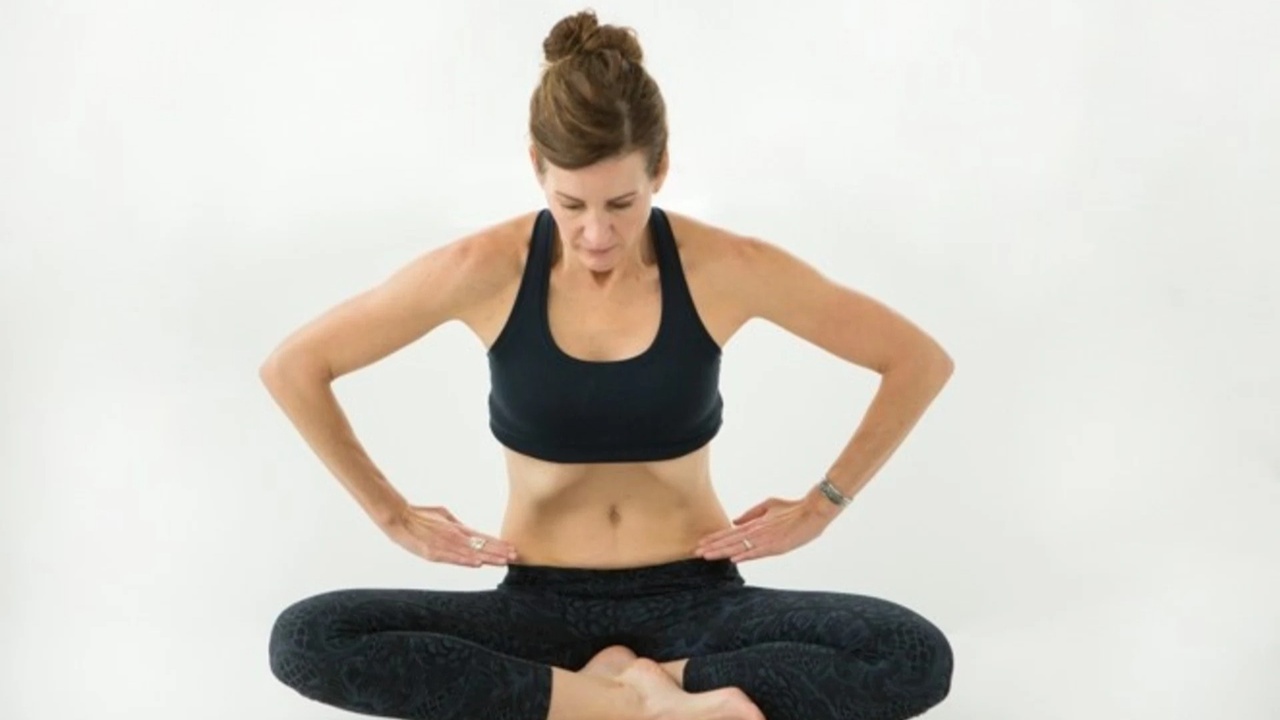
In a hypopressive posture, after a deep, full exhale, the breath is held, and the ribs expand and open, causing the thorax to expand while the glottis remains closed. This creates a negative pressure response that draws the relaxed diaphragm up. The relaxed abdominal wall is also passively drawn in and up.
It is done as a series of postures that are considered low pressure, meaning they do not increase intra-abdominal pressure. The rhythmic breathing pattern is added along with the breath hold called an apnea. It elicits an involuntary response that draws the pelvic viscera up and the abdomen in and up.

There is a telltale sign of success when the belly button is drawn up. This influences the urachus ligament, a tubular structure that stretches from the apex of the bladder and connects to the umbilicus.
What Are the Benefits of Hypopressives for Prolapse and Incontinence?
This is the reason why hypopressives are so effective for bladder prolapse (cystocele or anterior wall prolapse). Those with rectocele also benefit from the technique, although it does take longer for change to happen.
Benefits can be felt in posture, energy, incontinence, prolapse, back pain, constipation, and digestion.
What's Included in the Hypopressive Program?
The Hypopressive exercise program is available on both iPhone and Android in the Buff Muff App. This program is designed to help you implement what you learn and also help you make pelvic floor exercise a priority.
Hypopressives are a little bit different than your typical exercise. They are a bit more precise, and you will need to count. The following is the learning video and one of many poses and workouts included in the Hypopressive program. This is a great starting pose when starting hypopressives. Great postural exercise, it helps improve pelvic floor function, and it also tones the abdominal wall.
The Hypopressive Program gives you access whenever you want, wherever you want and includes
- Educational videos that teach you the background of the technique as well as how to do it.
- Exercise videos of the top hypopressive poses that target your core and pelvic floor in a way you have never felt.
- Guided workouts.
Enjoy a 2-week free trial, which gives you time to check everything out and start improving your pelvic health immediately!

Related Reading
- What You Need to Know About Pelvic Organ Prolapse
- Effective Kegel Exercises for Incontinence
- What's the Deal with Diastasis Recti? – Part 1
- Daily Life Can Be Challenging With Rectocele Prolapse
- Personal Coaching for your Pelvic Floor Health
Frequently Asked Questions
What are hypopressive exercises? Hypopressive exercises are a training system developed in Spain that combines low-pressure postures, breath training, myofascial stretching, and neurodynamics. Unlike typical core exercises, they train the deep core and pelvic floor without increasing intra-abdominal pressure.
How do hypopressives help with prolapse? Hypopressives use a held exhale and rib expansion to create negative pressure that draws the pelvic organs and abdominal wall up and in. This makes them particularly effective for bladder prolapse (cystocele), and those with rectocele can also benefit, though it typically takes longer to notice change.
Can hypopressives help with incontinence? Yes. Because hypopressives train the deep core and pelvic floor to work together without added intra-abdominal pressure, many women notice improvements in incontinence, along with posture, energy, back pain, constipation, and digestion.
Are hypopressives similar to a yoga pose? Yes, hypopressives are similar to Uddiyana Bandha in yoga, which means "belly lock." Both stretch the respiratory diaphragm and draw the abdominal wall in and up, though hypopressives apply this in a structured, repeatable exercise program.
What's included in a hypopressive exercise program? A structured hypopressive program typically includes educational videos explaining the technique, guided exercise videos of top hypopressive poses targeting the core and pelvic floor, and a free trial period so you can learn the postures and breathing pattern correctly before committing.
If you enjoyed this article, you might also like our episode:
Foot Health Helps Pelvic Health
Listen to the episode


